
Root Canal Therapy Explained: How It Saves Your Tooth
Blog:Root Canal Therapy Explained: How It Saves Your Tooth
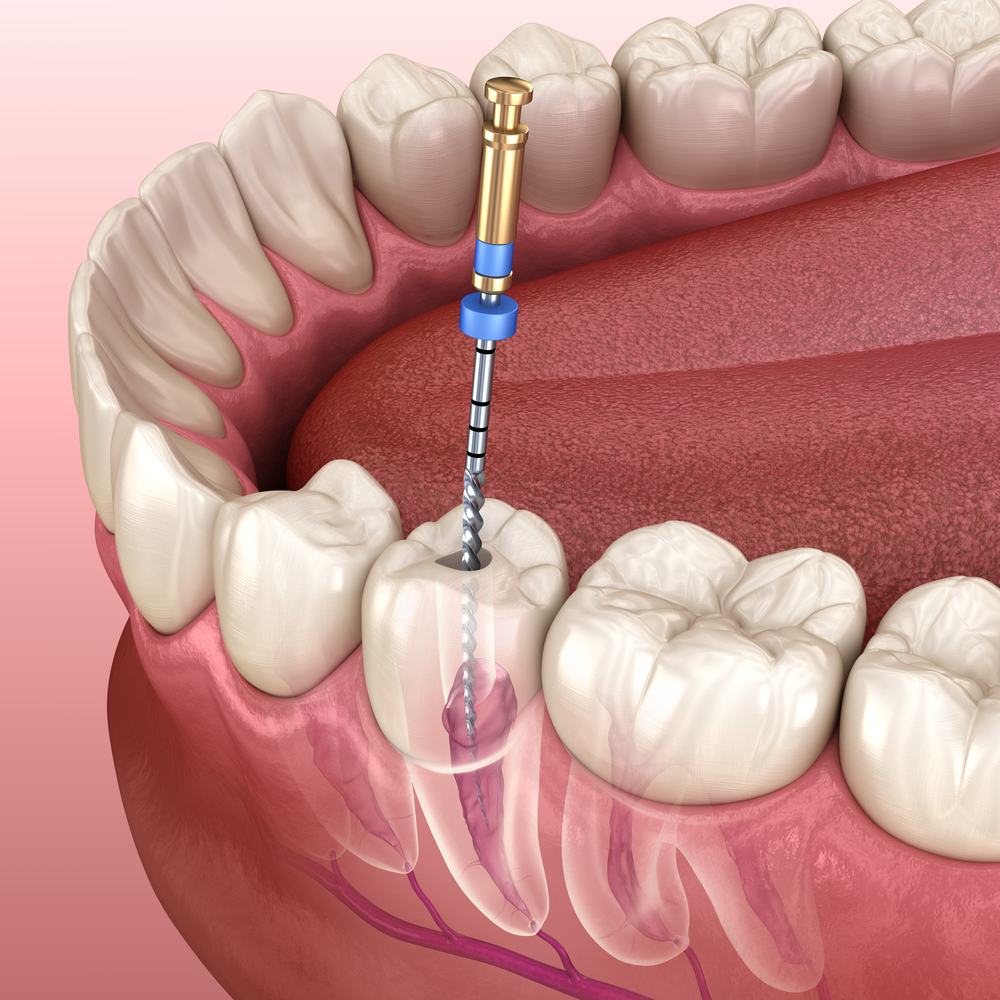
Hearing the words “root canal” can make many patients uneasy - but modern root canal therapy is a highly effective, routine dental procedure designed to relieve pain and preserve your natural tooth. When performed promptly and properly, a root canal can stop infection, prevent tooth loss, and restore oral health.
What Is Root Canal Therapy?
Root canal therapy is a dental procedure used to treat infection or inflammation inside a tooth. Beneath the enamel and dentin is soft tissue called the pulp, which contains nerves, blood vessels, and connective tissue. When this pulp becomes infected - due to deep decay, cracks, repeated dental procedures, or trauma - it can cause significant pain and swelling. During a root canal, the infected pulp is carefully removed, the inside of the tooth is cleaned and disinfected, and the space is sealed to prevent future infection.
Signs You May Need a Root Canal
Not all infected teeth cause obvious symptoms, but common signs include:
• Persistent tooth pain or throbbing
• Sensitivity to hot or cold that lingers
• Swelling or tenderness in the gums
• Darkening or discoloration of the tooth
• Pain when biting or chewing
• A recurring pimple or abscess on the gums
If you experience any of these symptoms, early evaluation is key to preventing further damage.
How Root Canal Therapy Saves Your Tooth
• Eliminates Infection: By removing infected pulp and bacteria, root canal therapy stops the spread of infection that could otherwise reach surrounding teeth or bone.
• Relieves Pain: Contrary to popular belief, root canals relieve pain rather than cause it. Modern techniques and anesthesia make the procedure comfortable, while eliminating the source of discomfort.
• Preserves Your Natural Tooth: Saving your natural tooth is always preferable to extraction. Root canal therapy allows you to keep your original tooth structure, which helps maintain proper bite alignment and chewing function.
• Prevents Tooth Loss: Without treatment, infection can weaken the tooth and surrounding bone, leading to eventual tooth loss. A root canal stabilizes the tooth and protects long-term oral health.
What to Expect During the Procedure
Root canal therapy is typically completed in one or two visits and involves the following steps:
• Diagnosis and Imaging - X-rays are taken to assess the extent of infection.
• Numbing the Area - Local anesthesia ensures comfort throughout the procedure.
• Cleaning the Tooth - The infected pulp is removed, and the canal is thoroughly cleaned.
• Sealing the Canal - The space is filled and sealed to prevent reinfection.
• Restoration - A crown is often placed to restore strength and function to the tooth.
Recovery and Aftercare
After a root canal, mild tenderness is normal and usually subsides within a few days. Patients can return to normal activities quickly and should continue good oral hygiene practices, including brushing, flossing, and regular dental checkups. With proper care, a tooth treated with root canal therapy can last a lifetime.
Schedule Your Root Canal Evaluation Today
Root canal therapy is a proven, effective solution for saving damaged or infected teeth. By addressing the problem at its source, it relieves pain, halts infection, and preserves your natural smile. Modern dentistry has made root canals safe, comfortable, and highly successful - making them an essential tool in protecting long-term oral health.
Schedule a dental exam with Catherine Streegan DMD, A Dental Corporation to receive expert care and determine whether root canal therapy is the right solution for you. Visit our office in Solvang, California, or call (805) 686-2492 to book an appointment today.
Helpful Articles
article_category: products
article_category: psychiatry
article_category: faqs
article_category: cats
article_category: general
article_category: services
article_category: technology
article_category: dogs
article_category: restorative
article_category: vision therapy
article_category: contact lenses
article_category: health
article_category: conditions
article_category: eye surgery co-management
article_category: exotic
article_category: cosmetic
article_category: surgical procedures
article_category: aesthetics
article_category: preventative
article_category: ocular disease management
article_category: eyeglasses
article_category: eye health
article_category: large animal
[]
article_category: psychiatry
article_category: faqs
article_category: cats
article_category: general
article_category: services
article_category: technology
article_category: dogs
article_category: restorative
article_category: vision therapy
article_category: contact lenses
article_category: health
article_category: conditions
article_category: eye surgery co-management
article_category: exotic
article_category: cosmetic
article_category: surgical procedures
article_category: aesthetics
article_category: preventative
article_category: ocular disease management
article_category: eyeglasses
article_category: eye health
article_category: large animal
[]
Flowbite is an open-source library of interactive components built on top of Tailwind CSS including buttons, dropdowns, modals, navbars, and more.
Check out this guide to learn how to get started and start developing websites even faster with components on top of Tailwind CSS.

All Dental Services
We offer a wide variety of dental services to the Solvang community. Contact us with any questions about our services.
Keep In Touch
For non-urgent questions or to learn more about our services, contact us today!
© 2026 Catherine Streegan DMD, A Dental Corporation. All rights Reserved - Accessibility Statement - Privacy Policy - Sitemap
Managed and Designed by 