Red, Swollen, or Tender Gums? It Could Be Gum Disease
Blog:Red, Swollen, or Tender Gums? It Could Be Gum Disease
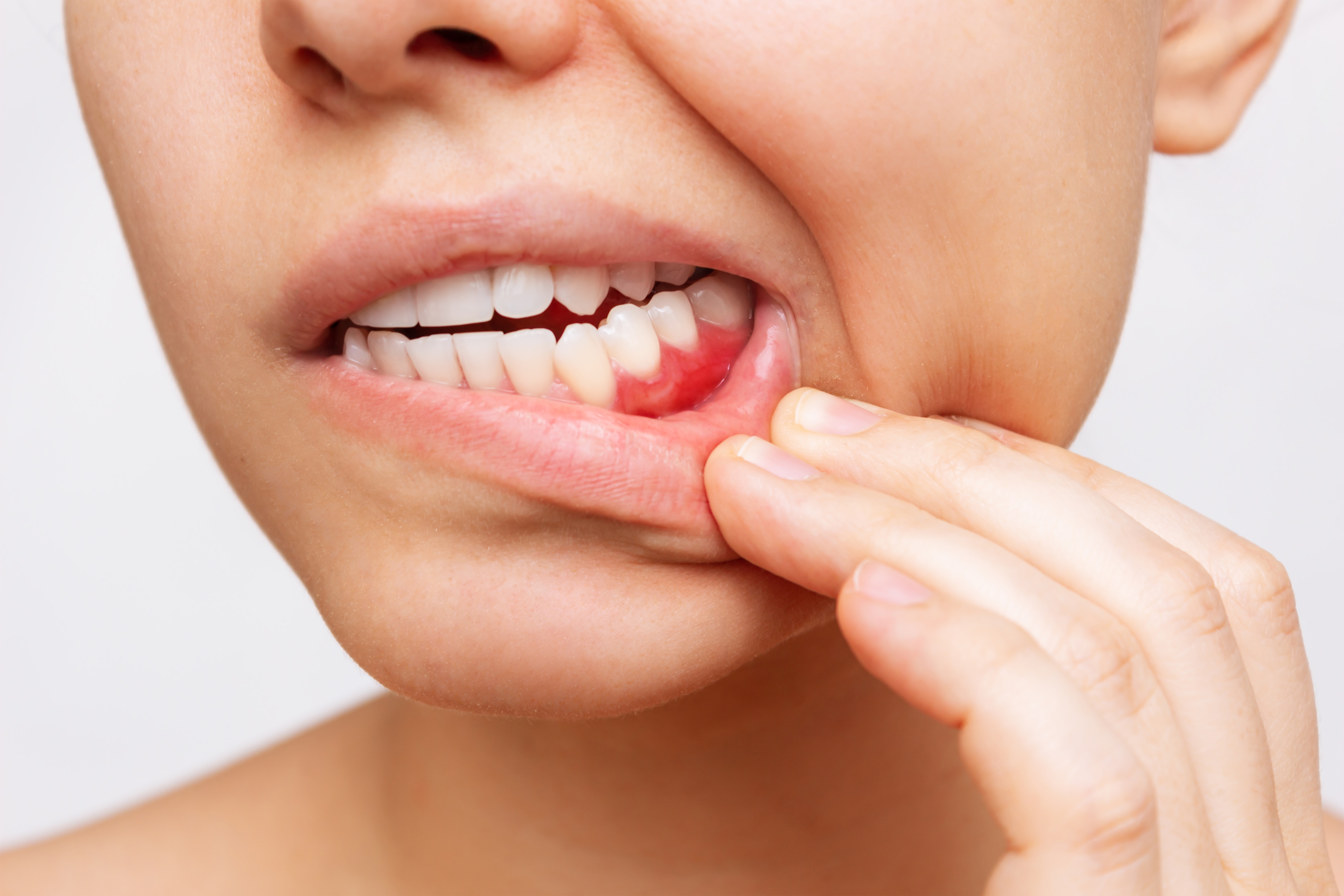
Red, swollen, or tender gums are easy to dismiss, especially if the discomfort comes and goes. But these symptoms can be early signs of gum disease. At Catherine Streegan DMD, A Dental Corporation, we help patients address gum concerns before they progress into more serious problems that affect the teeth, gums, and bone supporting the smile.
What Gum Disease Can Look Like Early On
Gum disease does not always start with severe pain. In many cases, the earliest signs are subtle. You may notice that your gums look puffier than usual, feel sore when you brush, or bleed when you floss. Some patients also develop ongoing bad breath or see their gums starting to pull away from the teeth.
Because these changes can seem minor, treatment is often delayed. The problem is that gum disease can continue to worsen quietly if bacteria and plaque remain under the gumline.
Why Gums Become Red, Swollen, or Tender
Healthy gums should fit snugly around the teeth and look firm, not irritated. When plaque builds up near the gumline, it can trigger inflammation. This early stage is called gingivitis. At this point, the gums may be red, swollen, or sensitive, but the condition is often reversible with timely care and improved home hygiene.
If inflammation is left untreated, it can move deeper below the gums. This more advanced stage can damage the tissues and bone that support your teeth.
Signs It May Be Time to Schedule a Dental Exam
Some gum symptoms should not be ignored. It is a good idea to schedule an evaluation if you notice:
- Bleeding when brushing or flossing
- Gums that look red or feel swollen
- Tenderness when eating or cleaning your teeth
- Persistent bad breath
- Gum recession or teeth that appear longer
- Loose teeth or discomfort when biting
These symptoms do not always mean advanced gum disease, but they do mean your gums need professional attention.
The Importance of Early Treatment
The earlier gum disease is identified, the easier it is to manage. Early treatment may help reduce inflammation, remove harmful buildup, and protect the structures supporting your teeth. Waiting too long can lead to deeper infection, gum recession, bone loss, and a higher risk of tooth loss.
Routine dental exams and cleanings are important because they give us the chance to spot gum problems before they become more difficult to treat. If you have noticed bleeding, swelling, or tenderness, it is better to have it checked sooner rather than later.
How We Help Protect Your Gum Health
We take a personalized approach to gum care. That starts with evaluating the condition of your gums, measuring areas of concern, and recommending the treatment that fits your needs. For some patients, that may mean improving daily oral hygiene and staying current with regular cleanings. For others, deeper periodontal care may be needed to address infection below the gumline.
If your gums do not feel healthy, do not ignore the warning signs. Contact Catherine Streegan DMD, A Dental Corporation to learn more about gum disease treatment. Visit our office in Solvang, California, or call (805) 686-2492 to book an appointment today.
Helpful Articles
article_category: products
article_category: psychiatry
article_category: faqs
article_category: cats
article_category: general
article_category: services
article_category: technology
article_category: dogs
article_category: restorative
article_category: vision therapy
article_category: contact lenses
article_category: health
article_category: conditions
article_category: eye surgery co-management
article_category: exotic
article_category: cosmetic
article_category: surgical procedures
article_category: aesthetics
article_category: preventative
article_category: ocular disease management
article_category: eyeglasses
article_category: eye health
article_category: large animal
[]
article_category: psychiatry
article_category: faqs
article_category: cats
article_category: general
article_category: services
article_category: technology
article_category: dogs
article_category: restorative
article_category: vision therapy
article_category: contact lenses
article_category: health
article_category: conditions
article_category: eye surgery co-management
article_category: exotic
article_category: cosmetic
article_category: surgical procedures
article_category: aesthetics
article_category: preventative
article_category: ocular disease management
article_category: eyeglasses
article_category: eye health
article_category: large animal
[]
Flowbite is an open-source library of interactive components built on top of Tailwind CSS including buttons, dropdowns, modals, navbars, and more.
Check out this guide to learn how to get started and start developing websites even faster with components on top of Tailwind CSS.

All Dental Services
We offer a wide variety of dental services to the Solvang community. Contact us with any questions about our services.
Keep In Touch
For non-urgent questions or to learn more about our services, contact us today!
© 2026 Catherine Streegan DMD, A Dental Corporation. All rights Reserved - Accessibility Statement - Privacy Policy - Sitemap
Managed and Designed by 